Blog

  • 9 Tips on social media for Lawyers to grow legal practice

    Even if you have no aspirations of being a celebrity like Mark Cuban, social media is still a valuable way to connect with your current and potential clients.

    But where do you start?

    The key to using social media marketing to attract new clients to your law firm is understanding who your target market really is, where they are, and what they want from you.

    What does your ideal client look like?

    What do they do in their free time?

    Who does she listen to and follow on social media?

    This will help you make the best use of your time by helping you identify exactly what type of content to create, how frequently you should be posting, and which social media platforms you should be focusing on at any given time in order to attract the right clients that are actually interested in working with you.

    Social media is widely used among law firms. According to a recent Lawyerist survey, 93% of lawyers use LinkedIn, 63% use Facebook, and 54% are on Twitter.

    YouTube (31%) and blogging (17%) are also common social media marketing tools many law firms employ.

    That’s a lot! Many potential legal clients out there just waiting to be converted into paying customers—and your friends and family may even hold some of those clients in their extended networks.

    However, not every attorney uses social media in their practice or knows how to properly utilize it.

    In the past, lawyers could simply run their practice and rely on word of mouth and reputation to attract clients, but this just isn’t enough anymore.

    In today’s crowded legal market, lawyers need to utilize social media marketing to get their message across in order to stand out from the competition and build their brand equity.

    If you haven’t explored social media marketing yet, it’s time to get started.

    Here are 9 social media marketing tips for lawyers that will help your firm stay on top of trends while attracting new clients.

    1. Start a Website

    Social media is a fantastic tool for law firms to connect with potential clients and get them in touch with their attorneys.

    The easiest way to start using social media marketing as part of your legal practice is to set up a company website and then let it sit.

    Since most people will visit your site through organic search, having a site built on reputable content management systems such as WordPress be an easy step toward building an online presence.

    From there, you’ll want to develop content about areas of expertise that other lawyers in your area are generally lacking but that you’re well versed in.

    Once visitors are on your site, encourage them to like and share that content across their own social networks by providing sharing tools prominently on each page of your site.

    2. Connect your law firm website with social media

    The cornerstone of any law firm’s marketing efforts is its website.

    Almost all law firms have a website, but many are not using it effectively to reach potential clients through search engines and social media.

    Linking your website with social media can help you build your presence on social media platforms and generate more leads from organic search.

    Learn more about 3 different ways to connect your law firm’s website with social media.

    • Embed social share buttons onto your site: Encourage visitors to share your content on social media sites like Facebook, Twitter, LinkedIn, and Google+. You don’t want them to click away! So make it easy for them by embedding these buttons onto each page of your site.
    • Include social sharing icons in email newsletters: Inclusion of social media icons alongside email subscription boxes is another way to encourage people to subscribe. It also lets you see how many people have subscribed via which medium; perhaps you should focus more time and energy on one versus another?
    • Link to social networks from all marketing communications: From emails and direct mailers to print ads and TV commercials, include links back to your social media profiles so that anyone who is interested can follow up with you there. Give people a reason to follow you too – offer exclusive discounts or free advice for those who sign up. If someone takes an action as a result of an advertisement – give them something of value when they sign up – no such thing as a free lunch!

    3. Develop your own unique brand

    No matter what kind of law you practice, you should be thinking about how to develop your own unique brand.

    Clients want lawyers they can relate to and connect with on a personal level.

    So, take steps to ensure that your personality is reflected in your social media posts and profiles.

    For example, if you specialize in divorce law, think about how photos of happy couples can reflect poorly on your brand.

    If you aren’t comfortable posting vacation pictures or selfies with friends, stay away from these types of posts altogether.

    You also don’t have to spend hours creating content every day. Posting small things like quotes relevant to your industry, links to relevant articles are great ways to show off your expertise while using minimal time and effort.

    And don’t forget: consistency is key!

    4. Provide value on social media

    If you’re a lawyer and you’re not using social media, there’s a good chance that your clients don’t know who you are.

    Facebook, Twitter, LinkedIn, and other networks offer unique opportunities to share professional value with potential customers.

    In fact, people are 200% more likely to buy a product or service from an individual they follow on social media than they are from an ad.

    Of course, it doesn’t matter if no one follows you if what you say isn’t valuable.

    Build up your reputation by finding new ways to help people solve problems and understand challenges by giving real solutions through social media.

    5. Collaborate with influencers

    If you want to make your mark on social media as a lawyer, you’re going to need to learn how to gain clout.

    The best way to do that is by collaborating with influencers in your niche. On each platform, find individuals who regularly contribute valuable content and then reach out about an opportunity to work together.

    If they agree, share their posts and let them know how much you appreciate their work.

    Keep it short and simple—you don’t want to over-promote yourself or come across as salesy. Instead, focus on making meaningful connections with those who will be beneficial to both of your businesses.

    Influencer marketing gives you a high rate of success if done correctly.

    And at worst, it allows people in your field (who have authority) to see what you can offer—and trust me when I say that these are people worth connecting with!

    6. Search engine optimization (SEO)

    SEO or Search engine optimization is a way to improve your visibility in search results.

    Although you don’t have to optimize your social media presence (you could just post all of your content on Facebook and hope it gets seen), SEO on social can improve engagement and traffic, which ultimately leads to an increase in conversions.

    The obvious first step is making sure you use relevant keywords that are likely to drive traffic.

    These might be related to your firm’s name or location, or they could be specific topics relevant to law in general.

    You should also think about how people will find out about you online and what questions they will ask about legal issues. Then make sure these words appear on every piece of content you create.

    And, of course, social media gives you access to more traditional keywords.

    For example, if someone searches for lawyers in your city on Google, chances are there will be some social media presence near the top.

    If that person has any kind of profile connected with their query (Twitter or LinkedIn), check them out: Do they have a link back to their website?

    How many followers do they have?

    How active is their account?

    All of these details can help you decide where to focus your social marketing efforts.

    Finally, remember: SEO takes time—so set up campaigns with goals and track them, so you know exactly how much time each project is taking and whether you need more time at certain points in order to see better returns later down the line.

    7. Listen to your community

    Social media marketing works best when you know what people want.

    One of your first stops should be to listen to your clients, fans, and friends—see what they’re saying about you, your company, and your competitors.

    Where do they hang out online?

    Find out which platforms are worth investing in (and which are a waste of time).

    Also, find out which social media channels work best for your audience.

    For example, lawyers have done well with LinkedIn so far (more on that later).

    You can then use these insights to shape a social media marketing strategy that reflects their needs.

    Having someone promote something isn’t as effective as building something on your own and letting it get popular on its own accord, so don’t be afraid of criticism.

    8. Use visuals on social media

    Using visuals on social media is an effective way to showcase your brand and engage your followers.

    They also tend to get shared more frequently than other types of content because they’re easier to digest.

    When using visuals, choose either a professional photo of yourself or a photo of your office that reinforces your law firm.

    It may seem silly, but some people will be more inclined to follow someone based on their appearance—and even trust that person more as a result.

    Additionally, if you want people to learn more about what you do, consider creating infographics.

    They can drive traffic and interest in whatever topic you choose.

    Did you know that visual posts on social media platforms receive double or triple as much engagement as text-only posts?

    So now it’s not just about what you’re saying, but how you’re saying it.

    The right images can help improve your post’s organic reach and boost your engagement, giving a nice boost to your law firm’s marketing efforts.

    Visuals will also make your content more user-friendly and easier to share, helping with click-through rates from search results.

    What types of visual content should lawyers use on social media? Think about it.

    9. Stay focused

    There are a lot of things you need to do in order to promote your law firm. But, first, don’t stray from your goals, and make sure you stay focused on your objectives.

    If you don’t know your goals, figure them out as soon as possible. Don’t try to do too much at once; spend time learning about each tool and how it can help improve your firm’s online presence.

    You don’t have to use all of them, but pick one or two and focus on those. It will help keep you from getting overwhelmed, and overwhelmed clients aren’t delighted clients!

    Bottom Line:

    Your social media platform is an extension of your business, so it should be well thought out and strategic.

    Most businesses have a website and depending on your location and industry, you might have a Google My Business page or Yellow Pages listing as well.

    You can use these pages to drive users to your social platforms. For example, your law firm’s Facebook page or Twitter account is a great place to post links to your website that link back to your actual law practice site where they can learn more about what you do and how you can help them solve their legal issues.

    If you haven’t already, set up social accounts for your practice.

    As soon as you set up your profiles and make sure there aren’t any errors in your information, start sharing content relevant to law firms. For instance, tips, local news relevant to your area of law, or even general posts related to business.

    Be sure to include lots of visual elements like photos with text overlay and short videos—people love visuals!

    Once people begin following you (and hopefully engaging with your content), start posting more regularly while still keeping it interesting.

    Content calendars are a great way to stay organized while thinking ahead at all times!

    So which tip is the most suitable for your law firm? Let us know in the comments below.

    Focus Keywords:

    Social Media Marketing for Lawyers

  • 7 Tips to increase restaurant sales

    The restaurant business is highly competitive, so maintaining your restaurant’s sales amidst rapidly changing trends and fierce competition can be a challenge.

    Also, customers have no lack of choice when choosing a restaurant for dining out or ordering in.

    Moreover, with a hike in COVID-19, it has become more important than ever for restaurant owners worldwide to plan strategies that help attract more customers and increase overall sales to their business.

    Before the pandemic, restaurants’ digital orders increased by 23% annually, yet this number skyrocketed in 2021.

    To help you maximize profits by increasing your restaurant sales, here are seven ideas you can try.

    Including many services helps to grow restaurant sales


    Restaurant takeout and delivery services have been rising steadily in popularity and are essential to increasing sales in the current scenario.

    As we all know, there are restrictions on restaurants due to the covid-19, which limits dine-in services in many states. So, if you diversify your services to include delivery, takeout, and pick up, you can help to maximize your sales.

    If you haven’t chalked out a plan yet,  here are 4 valuable tips:

    1. Create a separate menu for delivery and takeout services. Choose items that can quickly be delivered and are prepared in no time. Third, avoid food that could melt during transit.
    2. Provide curbside pickup services to your customers and train your staff on the proper procedures for handling orders and accepting payment.
    3. Start delivery services with the available third-party services. It helps your customers to enjoy your food when they can’t come to you.
    4. Website for online ordering.Create and update your restaurant website to provide online ordering for delivery, takeout, and drive-thru service. A lot of people prefer to order online with a website or app instead of by making a phone call.A survey shows that 40% of online transactions are made using a phone. So,  automate the entire process by accepting online payments.

     Mobile Friendly Website

    It is no surprise that 62% of users access the web using their mobile devices. So no matter how much effort you put into your business’s website, if it’s not mobile or tablet friendly, the majority of your buyers will bounce right off the page.

    Follow these ideas to increase your mobile presence;

    • To help your customers find your restaurant, list your business on Google My Business with your address, phone number, hours, and pictures of your location.
    • To maintain an active online presence, create social media accounts for your business.

    Attract More Customers to Your Restaurant

    That’s quite a good deal if you already know the importance of first impressions. Making a little extra effort to give your new customers a great first experience goes a long way towards turning them into regular and loyal customers.

    Take these 3 steps to reach your new customers and stay in touch by creating a personal connection with them.

    1. Participate in restaurant week, as it is celebrated in New York and other states across the US. The basic idea of participating is to promote special discounted offers that are valid throughout this “restaurant week.” This is an ideal way to reach your new customers because food voucher discounts encourage people to try your food.
    2. Use paid marketing tactics to attract new customers. Having a solid presence on social media costs nothing but your time. You can encourage customers to write reviewsof their experience dining in your restaurant.
    3. Start giving away coupons that encourage customers to come back. Alternatively, you can gift your new customers a free dessert or beverage with their first purchase.

    Plan Customer Retention Strategies

    Word of mouth is still considered one of the best ways to promote your food business. In these cases, you can think of your regular and loyal customers for free advertising.

    Many of us don’t trust paid ads, but we trust our friend’s recommendation of a favorite restaurant.

    There are 3 techniques to keep your best customers coming back time and time again.

    1. Develop a customer loyalty program by offering a membership card.There are many ways you can set up your loyalty program, but membership cards track each time a customer visits a restaurant.
    2. Host a charity event for your local community.Choose a day where you donate 5% of your profits to a charity. It’s a great way to give back to the community, and your customers will appreciate the extra effort.
    3. Events & Parties.Offering space for the events and parties helps you build a relationship with the community. Booking live music concerts is another excellent way to get your customers’ attention and make them visit your restaurant regularly.

    Train Your Staff on Upselling Techniques

    A skilled worker can increase your restaurant’s sales with effective communication. Upselling tempts them into ordering more than they may have originally intended. When teaching your servers these techniques, there are 3 important upselling tips to keep in mind.

    1. The best opportunity to upsell comes shortly after your customers are seated; encourage your servers to describe your special drinks on the menu before drink orders are taken. Also, don’t forget to point out creative cocktails, as it may entice a customer to try once, even if they thought of having plain water.
    2. Use the same technique as you did with the beverages. Your staff can simply start describing “Special Food items” on the menu to help customers think about trying one of those meals.
    3. When everyone is finished with their meal, suggest your customers try after-dinner drinks or a dessert. Again, naming off a few dinner drinks options may tempt your customers to try one.

    Table Turnover Rate

    It is obvious that if you sell more food, the more money you make. And to sell more food is to serve more people. So, here comes the table turnover rate.

    As a restaurant owner, you can’t control how long guests take to eat their meal, so 5 tricks can maximize your service’s efficiency.

    1. Maintain organized seating in your restaurant.Things like reservations and hostess stands are pretty standard seating systems restaurants use to know how many guests to manage and expect guests’ flow through the door.
    2. Keep your staff on schedule.The most important thing is to make sure that your restaurant has enough employees to cover all the guests in your dining room. Next, train your staff to take drink orders on time and bring out the check promptly at the end of the serving.
    3. Use of technology. Some restaurants use mobile POS systems to eliminate the need for staff to walk back and forth to process credit cards.
    4. Dining room Setup.Some of the dining rooms in restaurants are simply set up in such a way to make people want to linger. There are multiple tricks your business can use when arranging your furniture that can encourage people to move along. Moreover, seating small groups at smaller tables can help ensure that you have ample space when more people arrive.
    5. Keep your menu more compact.The idea is to limit the number of food items on your menu. It will help you simplify everything and save the amount of time people spend deciding on their meal.

    Combo Meals & Deals

    Combo deals are also a great way to win more customers. The idea is to select your top-selling food items and pair them with a popular drink or beverage. For example, in popular restaurant chains, they pair the burgers with french fries and a cold drink. But, of course, the best example is McDonald’s.

    Bottom Line

    The most important part of running your successful restaurant business is assessing and reassessing how things are working.

    Restaurant owners are constantly looking for ways to improve processes and increase their sales and orders. Hence, when it comes to finding ways to increase sales in your restaurant, there are six most important factors to consider.

    • Diversify your services
    • Build strong Digital Presence
    • Attract More Customers
    • Customer Retention Strategies
    • Upselling Techniques
    • Table Turnover rates
    • Combo meals and deals

    Many of the basic sale principles remain the same across all types of restaurant establishments, so if you follow these ideas, you’ll be on the road to success in no time.

    If you have any other innovative ideas to 10X a restaurant’s sales, let us know in the comment section.


  • 5 steps guide to web design for law firms

    Is your law firm providing legal services, who doesn’t have a website to market or showcase their legal services and consultations? Then probally you keep reading on this guide helping you understand – web design for law firms.

    Many potential clients start their search for an attorney online, and your law firm’s website can make it easier for those potential clients to find you, trust you, and ultimately, hire you.

    Your law firm’s website makes it easier for you (as an attorney) to connect with the right clients.

    Google shared research from its own in-house data and FindLaw to provide a look at the legal market trends. This may help you as a law firm to shape your legal marketing strategies:

    FindLaw Legal Needs Survey in 2014 showed that 74% of people beginning a search online end up contacting the lawyers’ office via phone.

    Moreover, around 87% of clients contact an attorney online and hire them. Surprisingly, 72% contact 1 law firm only.

    According to a survey conducted by Google in 2013, 96% of clients seeking legal advice use search engines. 38% of clients use the Internet to find a legal service.

    Here comes a question, what about local law firms?

    FindLaw’s survey shows that 71% of people looking for a lawyer think it is important to have a local law firm. That builds trust and credibility.

    So being a law firm, it’s important to convert these online searches into leads. Here are a few action steps you should also take:

    • Create a well designed and mobile-friendly website
    • Have multiple contact options — phone/email/online presence on social media etc.
    • Focus on improving your local SEO. Also, ensure your website pops up well in local search market.

    Today, 96% of people search for products and services in the virtual world on the internet.

    Here is an interesting fact about people and their law-related web searches.

    The most searched legal question in the United States was “how to file a divorce.” This question was on top of the list with 12,100 monthly hits with a $ 3.29 cost per click.

    What if you don’t own a website to list services relevant to these kinds of interesting facts and questions?

    It would be nearly impossible for you to get your potential clients. So, how will you survive, and how will you get new cases?

    This article will help you with a checklist on web design for law firms, to get your website generating new potential legal clients. Please note that this is not a difficult task to build a website.

    The task is to make it accessible and simple enough so that everyone looks at it and remembers your services to contact when needed.

    Being a law firm, you need to display your services in a way that helps people know what you can and can’t do.

    This first-time interaction should educate your customers about your manpower and services in the easiest form.

    Which makes it very important for you to use your homepage to look like a marketplace where each service is mentioned in detail.

    It should also explain what you will be doing for the customer, how that will be done, and also how to book an appointment for legal consultation.

    When it comes to making a service-oriented marketing website, all you need to do is pass on your services-related information to the mass population by addressing their key questions to the legal problems they are facing. You can find out the most popular questions being asked online through many resources such as answerthepublic.com.

    In addition, there should be easy navigation on your website home page helping the customers to roam around easily.

    You, being an owner of a law firm, should know the purpose of your website and understand the pain points of your clients.

    If you ask me, your website should be informative, equipped with a subscription option to spread the updates around and let people know of your presence in their neighborhood.

    People searched Google for “legal and general relative keywords.” This is searched about 110,000 times with a $ 5.09 cost per click. This is an unimaginable search quantum generated by only these two questions.

    Now allow me to ask you this, what if your law firm has the service to answer all these people?

    What if you can represent all these people legally? Do these questions provoke you to have your website representing the services you can provide?

    I am sure that you have made up your mind to get your website developed by now.

    But before I start guiding you on key components for your website, here is another example for you:

    There is a person who has been charged with murder. He is looking for legal representation.

    He is searching for law firms here, there, and everywhere. Unfortunately, he is not getting anything convincing.

    He comes across your website. Then, with simple and easy-to-understand content, he feels comfortable contacting you and booking an appointment. And finally, with the help of easy navigation, he clicks on Book an appointment.

    BINGO!

    That’s how you get to have new clients without any word-of-mouth advertisement and only a little effort to develop your websites.

    So now, without further delay, let’s dive in and understand the checklist for your law firm web design.

    5 Step checklist to law firm web design

    Website Navigation

    Think, your website is running, and also you have your first potential customer.

    The first thing he will notice on your website is navigation.  That means he will be scrolling on the home page and clicking the buttons to navigate on different sections of your website.

    You have to ensure that every button on your homepage is connected to some call-to-action or links to the next page and the routing is 100% successful.

    Every button needs to be referenced with a name or title.

    These titles should correctly reflect what they stand for. For your ease, you can divide your website homepage into multiple sections:

    • First of all, there is your name and contact information. This information should be highlighted and presented at the most prominent location, easy to find for the user.
    • Then there should be an action button like book an appointment or call to connect. The placement of this button is very critical. It should be easily accessible by the customer to hit and ensure a booking.
    • The third is the register button. This should always be on the right top corner of the website, along with your official working hours.
    • And in the end, there are your menu sections. This is the table of content for your website. You should list all the service pages and connect them with a relevant And each of these pages will have specific content related to your services.

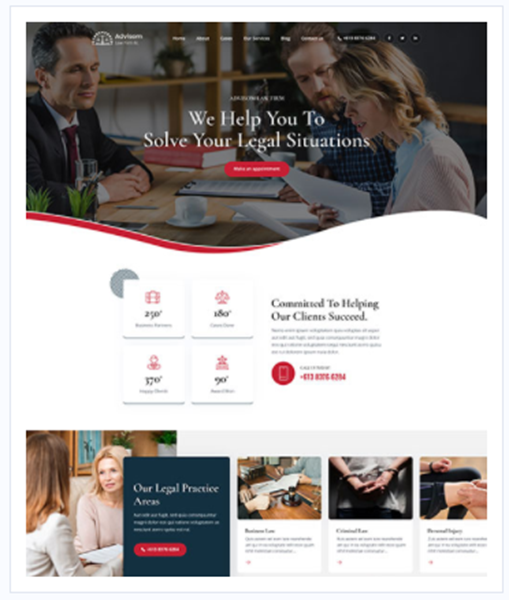
    The following picture is an example of a simple law firm website with its details.

    Home Page Development

    Okay, so now we have to see how to plan the home page for your law firm. The home page has multiple sections. For example, your law firm logo, a catchy headline to attract clients, and a call to action button for booking an appointment for legal consultation.

    Your logo should reflect your services. If your company logo and services don’t match, the customers will always doubt the authenticity. Plus, your logo helps people to remember you easily.

    • Then there is your business headline or the tagline. It has to be the catchiest phrase of the whole page explaining your services.
    • Do not forget to add high-resolution background pictures on your homepage. This helps make the page look attractive and colorful, and people have more trust in your services.
    • And in the end, you have to ensure to choose a color scheme that is continent for the users to read and understand. Don’t use bright and sharp colors; they look attractive but are very uncomfortable for your viewers to see.

    The following picture is an example of a simple law firm website with its details.

    Layout Strategies

    The looks of your home page should be organized attractively for customer ease. Customer satisfaction is directly proportional to the display of your services information.

    Therefore, this look/ layout needs to be organized, in line, pictorial, simple, and easy to understand. All of these features will encourage people to come back to your home page and hit the book an appointment button.

    This is why home page design/ layouts are responsible for user feedback. A well-managed layout helps maintain a good amount of recursive customers. There are many layouts out of which you must choose the one that suits your services most.

    This layout tells your business stories. These are your expertise and reflect testimonials. Invest some time while choosing your layout. It has been perfect for your business.

    Your services

    By now, your business website is almost ready. So,  now you let your customers know your services and how you provide these services.

    This section is a small one which needs to reflect your services for the customers. Every service should have a title and be clickable.

    Once clicked, this link should take the user to another page where detailed information about the service is available.

    • You have to give an easy to read name to your services. These names should reflect what the services entail and whether they need it or not.
    • And if you are introducing new services, you need to market this service as well. Make call-out buttons reflecting discounts, and people referral, and reward point systems. Explain what the service does and let this service serve you as an independent marketplace.

    The following picture is an example of how to showcase your services and let the customer choose from them.

    Mobile-Friendly

    In 2021, research reflected that 68.1% of search engine queries were searched from handheld devices. This means that your website must be compatible with handheld devices; otherwise, the layout crashes. So you need to ensure that.

    • Your website has Google maps integrations done, helping customers get directions for your office.
    • Your website needs to be compatible for view on different screen sizes, including fonts, colors, and navigations.
    • Your website needs to be quick in loading as delays in loading speed and refresh speed annoy your customer. The delays further reflect that you are not interested in serving your customers with good quality content, so you haven’t updated your website.

    Bottom line

    If you don’t have a website in today’s tech world, you’re missing out on a huge business opportunity.

    Word of mouth or referral marketing is the most effective one but is limited to a few people only. And you need regular customers for your business growth daily.

    This is why you need to ensure your presence in the virtual world of the internet. Here we have helped you prepare a checklist that you would require to market your law firm online.

    Your website will act as your business outlet for people. This is why you have to put a lot of focus on building an attractive website that serves as a one-stop shop for your customers.

    Content clarity is very important in the law business field. You have to ensure your website is answering the questions arising in your practice area. You have to address – why should they hire you for their legal problems?

    Go through this 5 step checklist and convince me of your reasons for not having your website as a law firm.

    Your online presence should make people believe you have enough knowledge and expertise to solve all their legal problems.

    And that’s quite impossible if you don’t own a well structured and well designed website.

    Let me know if you still believe that you would be able to survive without a website in this technically advanced world.

    I will be looking forward to your replies and questions in the comment section, if any.

    Focus Keyword:

    Law firms Web Design Checklist

  • How to grow patients with great dental website design?

    Over 90% of dentists practice their services online with the help of a perfectly designed website.

    Potential patients will search a few options to find a perfect dentist that’s credible enough to visit. When people find your brand online, you want them to look like a legit business catering to their needs.

    Studies show that 75% of credibility comes from website  design.

    A beautiful designed and professional looking dental website that reflects your brand image, mission, vision, services and this helps to grow dental practice by attracting and converting new patients.

    But, with a poorly designed website, you look like a scam or untrustworthy.

    So, if you aren’t investing your time, money and efforts into building a site for your dental services, you’re going to lose trust, credibility and leads.

    That means your dental website design elements need to have an engaging and informative presentation that your potential patients and readers will enjoy interacting with.

    Also, your dental website design should enlist a wide range of topics to showcase your services clearly.

    Why is it needed? Because it meets the needs of your potential patients or site visitors.

    Blog posts, social media links, a good user experience, and professional images are vital to the success of your marketing efforts.

    Hence, you need to create a strategic website development and design process to cater your dental marketing needs without sacrificing your unique identity.

    Let’s talk about the website’s content. Well! It should address patients’ questions that are easy to find and well organized.

    Can you guess the most asked question related to dental hygiene in the United States?

    It was, “What is a root canal?” Only this question was being searched for 32,700 times per month.

    People also searched “how much do braces cost” parallel to this. This is searched about 31,700 times each month.

    Can you imagine what a huge quantum of searches these two questions generated?

    What if you have your own dental website with all the answers to such highly searched questions.

    Do you see the need for having your website?

    Before diving into the details of key components for a dental website, here is an example for you to go through.

    “Alex” is a patient who is searching for a dentist. He is scrolling through Google searches, Facebook pages, Instagram suggestions, and yahoo searches.

    But gets to see similar content on every website and gets more confused.

    All he wants is to get treatment for his toothache; finally, he lands on your website.

    With its easy-to-understand content and pictorial description of the dental problems, you start to gain his trust, and he continues to look for more details.

    With the help of easy navigation, he clicks on the “Book an appointment” bar.

    Bingo!

    Now you have your new client.

    Your dental website is the first impression anyone has for your dental services.

    Therefore, more website traffic is equal to better local SEO results, helping you drive more patients.

    Why not design a dental website where you can proudly share the premium solution with people in need?

    Follow these 6 steps as lead generation boosters that can increase conversions and your site’s authority and trust.

    Clear Website Navigation

    So once the customer/ patient is on your website, the first thing he will notice is your website navigation. It should contain hyperlinks to independent pages with titles.

    These titles are not for you, so you need to ensure that the title correctly reflects the customer’s information.

    You can further divide your navigation into the following sections:

    • A clickable or click-to-call feature needs to be added in the context, making it easy for your customer to get in touch with you and inquire about your services or appointment.
    • You can add the registration section on the right side of the menu along with your official business hours.
    • The menu bar needs to be a scrollable thing. So it scrolls up and down, letting users see all the buttons and links to other pages for other navigations.
    • Last but not least, in the menu section, you can add multiple independent pages for different services you provide or information categories. Each of these pages will contain content related to your services or general information.

    The following picture is an example of a simple yet elegant dental website to follow for your ease.

    Website navigation for your website needs to be easy and understandable.

    In addition, the content available on each page needs to be written in simple language, ensuring an easy understanding of the content for everybody. Simply to say, it should answer questions of the patients looking for dental services.

    Accessible Contact Information

    Adding contact details to your website may seem counterintuitive, primarily if you sell a digital product.

    Doing so, however, increases consumer trust and lends credibility to your offer. Even if your customers don’t actually call, the presence of a phone number does bring them some comfort.

    Let’s take an example of a lead generation site for a Los Angeles dentist.

    They incorporated their phone number as part of their marketing strategy and domain name. (4getpain.com)

    This lead generation page makes its phone number a large part of its dental branding

    Home Page Development

    Home page development is divided into multiple sections. The logo, a headline, a call to action button, and a branding picture.

    • Ensure that your logo and the Business name are indicated on the menu. This helps people to search for you easily.
    • Then comes your business headline, also known as the tag line. It’s the catchy phrase that explains the business you are doing.
    • This leads you to add a high-resolution clear picture for your brand. But, of course, it has to be matched with the idea of your business.
    • The last thing to do on your home page is to ensure the color patterns. Whatever template you are using, if your coloring isn’t soothing, it will be of no use.

    Please have a look at the below-mentioned highlighted areas, which have been discussed above, to build your website accordingly.

    Please have a look at the below-mentioned highlighted areas, which have been discussed above, to build your website accordingly.

    Layout Strategies

    The layout of your website needs to be an attractive outlet for your business. It should be simple, informative, and encouraging enough for your patients to understand about your services and ensure them that your dental services have unique USPs.

    The layout will map the set of dental services you offer, unique value propositions and other information that answers the key pain points of your patients. This helps the customers to know his way around the website with the help of available information.

    It is very important that information available on your website should be easy to find, read, and the call to action buttons work properly.

    Whereas a bad layout lets your customer go. Out of many layouts, you should use the type of layouts which represent your business.

    For example, there are many different layouts. Most popular ones are  storytelling layouts, box layouts, grids, and full-page displays. You can choose any one of these, but the best advice is to choose a layout that matches your business needs and organizes the information your patient needs to know while educating themselves about dental services.

    Your services

    Well, at this stage, your website is 65% ready.

    And now you need to let your customers know the details of your services being offered.

    This section can be designed using service-related pictures and a brief description of each service. And here is how you should be doing this.

    • Name your service, so people know what the service is called. Use a catchy picture or icon to demonstrate your service. You can add a short description to the service, this lets people know what this service entails.
    • Market your service. Give discounts, get people to refer a friend, and get a bonus or reward point. Mention the details and let your services be your marketplace as well.

    The following picture is an example of listing your services and letting the customer choose from them.

    Mobile-Friendly

    Your website has to be mobile-friendly. It has been researched that 68.1% of internet searches for websites in 2020 originated from handheld devices.

    These statistics help you see the importance of having a mobile-friendly website.

    You need to ensure the following three things to be integrated with your mobile website.

    • Integrated google maps will help the user access your address with one click along with the direction from their current location.
    • The fonts, colors, and navigations need to be perfect and easily readable on small screens. If not, this will annoy your client, and your website design should not be the reason for your customer to leave.
    • Your website’s loading speed and refresh speed need to be super quick. With the high data speeds available nowadays, your website should not buffer. Instead, it should directly load and display your website content to your customers, especially the call to action buttons.

    Bottom Line

    Your website is the main source of information to the customers. So you have to ensure that it’s built attractively enough to catch everyone’s eye and informative enough to answer all questions.

    This checklist will help you develop your dental website.

    Being a dentist, the purpose of your website is to spread awareness while informing people about

    • Dental hygiene,
    • Dental FAQs,
    • Regular checkups and request an appointment for a detailed dental checkup.

    Clarity is power, and you have to use it on your website to attract more patients and convert them into regular clients.

    Do you still believe you would survive without a website in this technically advanced world?

    Of course not!

    So, go through this 5 part checklist and tell your reasons for not improving your dentist website as your business CV.

    You have to make people say, “Waooo! That’s a great website, and let’s see the doctor”.

    I hope this article serves you rightfully with all the instructions and guidelines for developing your website. I will be looking forward to your replies and questions in the comment section.

  • 5 Quick Tips on social media marketing for dentists

    Do you know, you need online visibility to grow your dental practice?

    To get more patients, you must have more online exposure to your services, this brings you more revenue. Lets dive in to learn how to use social media marketing for dentists to increase online visibility.

    To understand better, have you ever thought about how your patients find a good dentist online?

    Yes, you are right; it’s all about being referred to a good dentist. You can boost your dental business with a word-of-mouth reputation.

    Can you imagine what the average revenue generated by the Dental Industry is? As per a recent survey, the average revenue in 2021 is $155.2bn.

    Imagine this industry with such a massive revenue scale equipped with Social Media Marketing.

    So Let’s compare word of mouth marketing with Social Media Marketing.

    In today’s digital world, seeing is believing. And social media is the answer to allowing more people to see your dental practice.

    Before getting into the details of marketing and how to do that, understand today, people search for things on the internet.

    Which makes it even more important for you as a dentist to market your business on the internet.

    Social media marketing is a powerful tool for attracting new patients, which is why so many dentists are curious about how to generate results from their efforts.

    Without any further delay, let’s dig in, and I will share 5 easy Social media Marketing tips for Dentists.

    The first step in utilizing social media effectively is filling your Facebook page with a few basic posts. This will build your social media presence and establish your brand as a trusted resource among your community.

    This can be as simple as sharing a blog post, a video, or a photo of your office. However, don’t forget to engage with your followers on social media by posting questions and answering them. This not only helps patients and your practice grow but also builds relationships with your patients, which can lead to more referrals.

    Use the Facebook owned platform for marketing

    Facebook and its subsidiaries are the most commonly used social media platforms with 2.89 billion average active users.

    Imagine what you could do with marketing to such a huge audience. All you need is to publish your service for marketing and see the magic happening.

    You need to build and use your Facebook page to let people know what services you offer and their description.

    Your page will also help you market your promotions to your existing patients and also help you find new potential patients.

    Your Facebook page is a landing page for your business. This means that you need to upload unique, easy-to-understand content to educate your customers viewing your service. In addition, it is advised to continuously upload content on your Facebook page to make people informed about your updates, keeping your social profiles fresh. This helps your customers understand that you make an effort to market your services.

    This updated content and offering different services make your online presence prominent. Also, making you authentic by your current and potential patients growing your business many folds. Here, I have to remind you that we are talking about all Facebook subsidiaries, i.e., Facebook, Instagram, and WhatsApp.

    Make Interactive Content

    You have to understand that your Facebook page or Instagram post is your business outlet. And service-oriented infographics will attract people. They will be forced to get in touch to inquire about the details.

    Here is an example of what you can market.

    You can create customized advertisements about your services related to oral hygiene, gum cleaning, or even root canal. You can add the details of services provided in infographics proving your expertise in a certain area to attract new customers.

    Using interactive advertisements is the simplest way to find new patients. And letting them scroll through your content on pages and posts, making them believe in you and your services. Using the outstanding marketing models, sleek look of Facebook pages, and Instagram posts, these platforms serve the purpose of impactful marketing.

    Show user testimonials

    A patient testimonial is a great way to put a human face on your business to show your patients how to take care of them. It also tells them what benefits they get when they book an appointment with you.

    But here is the question, how can you utilize these testimonials in the best way?

    What are the best practices to ensure a successful patient testimonial?

    There is a tremendous amount of value in sharing positive patient testimonials on social media.

    Testimonials helps to build trust in your practice. They can be an effective way to demonstrate how attentive you are to your patients. However, if you don’t include a link to the patient’s review, it may not be very helpful to your readers. To avoid this, be sure to link the reviews to the specific social media platforms where you share them.

    Post Content Continuously

    Posting on social media can be a great way to connect with patients and share information about your practice with new patients.

    By sharing general information about your practice, such as hours of operation and payment plan options, you can present a professional and friendly face to new patients.

    In addition, you may find that patients will share information about their own experiences with you.

    If you have a patient with a specific question or concern that you may not have considered in your practice plan, this information can be very beneficial.

    However, you might not realize that while many of your posts are being viewed by your patients.

    Your practice’s Facebook page might also be being viewed by your competition. If your Facebook page is not “brand protected” in the terms and conditions of your Facebook page, you could have a problem.

    Your Facebook page could be at risk of being used by your competitors as a way to build their brand and generate leads for their practices. This is one of the reasons we strongly encourage our customers to set up an LLC, or limited liability corporation, for their web businesses.

    Make a relationship with your patient

    You will find that patients are much more responsive when using online mediums than talking to them in person.

    When it comes to generating new business, online places such as social platforms are great places to start.

    You can create a blog, use social media, or even create videos to attract new patients. If you’re really lucky, you may even find that your patients help you spread the word about your practice!As a dentist, you can develop a relationship with their patients using social media.

    The best way is to show that you care for them and are interested in their well-being.

    Make regular efforts to build a relationship with your patients. They will feel more interested in returning to their dentist.

    Bottom Line

    Social media marketing uses social media platforms to promote brands, products, and services to current and prospective customers.

    It is a tactic used by businesses of all sizes.  Since it is so accessible and inexpensive, small businesses find it to be an effective strategy for generating traffic and increasing revenue.

    Marketing your dental practice on social media can be intimidating. It’s a new landscape with new rules.

    But if you’re not using social media, you’re missing out on a huge opportunity.

    Your patients are on social media, and they expect you to be there too.

    As a  dentist what should you post on social media?

    Here are some dental social media post ideas for you to post on social media

    • Photos of your Dental clinic with patients
    • Photos of your products used by patients
    • Before and after results of your service/product.
    • Upload photos of your dental staff with brief introduction and tagging them in photos
    • Interesting & engaging questions.
    • Videos, if you have appropriate

    Content on your social media page is your online business outlet. You need to learn social media marketing and use it for your benefit to get new clients and convert these potential clients into regular clients.

    I hope this article serves you rightfully with all the interesting ideas to use social media marketing to your benefit. I will be looking forward to your replies and questions in the comment section if any.

    Let me know if you still believe that you, being a dentist, would survive in this techy world with only word of mouth marketing.

    Then, go through these 5 Social media marketing tips and convince me of your reasons for not using social media marketing to grow your business.

    You have to make people say, “Waooo! This is the doctor I will see, and I am getting an appointment straight away”.

  • Shaping Your Online Success: The Importance of Social Timing and Monitoring

    Social media has more than 4 billion active users. To capitalize on its engagement and growth potential, most marketers focus on creating content regularly. However, what they fail to acknowledge is that regularity is just one of the preconditions for success on social media.

    Monitoring your brand’s reputation and creating content that resonates with the audience are all equally important. But that’s not all. Time plays a critical role as well.

    In this article, we will look into how social media monitoring and social timing influence the success of a social media marketing campaign.

    What is Social Media Monitoring?

    Social media monitoring is listening to what the internet is saying about you. It also involves keeping an ear out for all the information out there in the internet world which can potentially influence your business.

    Tracking your business mentions and relevant discussions on social media help you stay current with the latest industry trends. They enable you to understand your audience’s behavior and find out what they want from you.

    The Importance of Social Media Monitoring

    Unlike in life, you can not turn the other cheek on what people say. In the digital world, words matter. They can develop or demolish your online presence.

    This is probably why a recent report found that more than 50% of brands were deploying social media monitoring in some capacity. They want to know what is being said about them or concerning them.

    When you closely follow your brand mentions, you get closer to what your customers think about you. This helps generate real feedback in real-time.

    Since 96% of unsatisfied customers won’t tell you about their dissatisfaction but will share the negative feedback with 15 friends. Therefore, it is important to be where your customers are talking about you to know what they won’t tell you directly and adapt accordingly.

    Most people now turn to social media whenever they have a complaint about a brand. Knowing where your brand has been mentioned and what has been said enables you to ramp up your customer support game. You can reach out to a customer as soon as they post a negative review or a complaint, assist them appropriately, and salvage your reputation.

    To top it all off, social media monitoring helps you generate content that your audience wants to see. By offering insights into the customers’ thinking, behavior and attitude, you can tailor your content to their preferences and requirements and experience increased engagement and conversions.

    Social Media Monitoring Tools

    Yes, there are tools for social media monitoring. You don’t have to sit wide-eyed in front of your computer, scanning media pages looking for your brand mention or relevant information.

    In fact, social media monitoring (SMM) tools are so important that in a survey by Oneforty, approximately 43% of social media marketers claimed to have bought SMM tools.

    The same survey asked these marketing professionals to list their favorite social media monitoring tools. And some of the free tools that secured a place in the coveted list that resulted from the survey were:

    • Hootsuite as a tool for monitoring Twitter and Facebook.
    • SocialMentions for monitoring brand mentions.
    • Buzzfeed for monitoring social search

    While the paid tools that secured a place in the list were:

    • Hootsuite pro
    • Sprout Social
    • Cision etc.

    To expand your options, we have done a bit of research ourselves and have created our own list of the best SMM tools that you can use in 2021. Our top picks include:

    Google Alerts

    Is there anything that Google doesn’t do?

    Google Alerts help you track your brand mentions across the web. All you have to do is enter the keyword you want to follow, and Google will generate all the results it finds relevant. Not only that, but it also allows you to set up alerts and sends you an email whenever there is a relevant brand mention.

    Mentionlytics

    This SMM tool found its place in our list because of its intelligent social media monitoring. Mentionlytics scans a page and presents relevant information even if your brand or the keyword is not present within the content. It scours the entire internet for mentions and helps you track discussions related to your brand, industry, product, or competitors.

    Talkwalker

    Talkwalker enables you to monitor content across various platforms in 187 different languages. Additionally, if you upgrade to its enterprise package, you can track images and logos too. So, it does not let you miss any brand mention, helps with reputation management, offers customer intelligence, and enables you to manage the business impact and perform competitor analysis.

    All these tools work fervently in yielding the insights you need to create content that your customers want to see.

    You can check out our more detailed list of best social media tools here.

    Now that you know everything about creating quality content, are you ready to launch your success on social media? Not so fast. There is one critical piece of information that’s still missing. Social timing.

    The Relation Between Social Timing and Success on Social Media

    Do you think successful marketers just publish content on social media whenever their heart desires? No.

    The success of a social media campaign stands on a meticulously crafted foundation of right social timing.

    What is Social Timing?

    Social timing is the time when you publish a post on social media. And though seemingly irrelevant, social timing can make or break your social media campaign.

    The right social timing is when your post has the maximum exposure to your target audience and is likely to receive massive engagement.

    However, there is no one-size-fits-all approach to determining the right social time. Many variables influence this parameter like time zone, customer behavior, brand type, the platform of communication, etc.

    The Importance of Social Timing

    If you think social timing is a vanity parameter, and you are better off ignoring it, here are a few reasons why you might want to avoid doing that and start paying more attention to when you publish your content masterpiece.

    • Social Timing Influences User Engagement

    There is a time frame when your target audience is the most active. Identifying this time frame and optimizing your social timing to post content in this time frame makes the most sense because that’s when it will get the most engagement.

    Let’s explain this with an example. Say you have a brand targeting Gen Z, which is mostly active during the night. But you post content on your social handles on a Sunday morning when your target audience is fast asleep. Do you think you will get the engagement you want? Not likely.

    Therefore, it is critical to consider the time factor and schedule your content when it is most likely to be received well by your target audience.

    Apart from the time your target audience is active, it is also important to understand variations in time across various time zones. Say you are running a business from the US with your target market in India. Being intuitive, you post content in the morning for your early rising audience. But what’s morning in the US would be evening in India, where your audience is. Your audience may not be as active. And your content might fail to engage them.

    Therefore, understanding the correlation between social timing and engagement is important, and it cannot be emphasized enough.

    To drive our point home, a study by the American Marketing Association studied the time and engagement correlation for multiple content-based agencies. They found that content posted in the morning saw an 8.8% increase in clicks than that published in the afternoon.

    • Social Timing Influences Revenue

    Money is on the table. Quite literally.

    When you post content at an inappropriate time regarding your audience behavior, you experience a drop in engagement. Which ultimately results in low revenue.

    A study found that certain content-based organizations increased their profit by 8% simply by optimizing their social timing and posting content when their audience is most likely to see it, consume it and engage with it. That’s the influence of social timing!

    • Social Timing Helps You Reach the Right Audience

    You don’t just want visibility on social media. You want valuable interactions and high-quality engagements, right? For that, your content must go out when it not only gets exposure to the most eyeballs but to the right eyeballs.

    So, you must find out when your target audience is most active on a particular platform and post your content accordingly.

    The Right Time for Your Social Posts

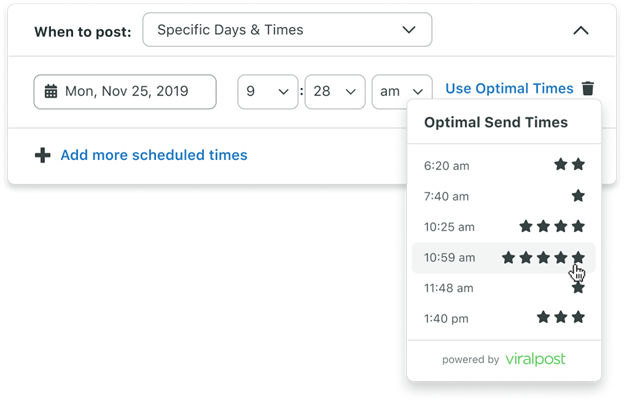
    As we mentioned briefly above, there is no singular “right social time.” However, some studies note close approximations. We will talk about one such study by Social Sprouts in which they analyzed the engagements for posts across various platforms. They have listed the most suitable posting time and days based on how well social posts fared on four major platforms.

    • Facebook

    Facebook has more than 2.7 billion users and is classified as the most used social media platform. Therefore, it is brimming with active users and bursts with engagement opportunities. But for your success, timings still matter.

    According to the most recent case study, the best time to post on Facebook is from 9 am to 1 pm on Tuesday, Wednesday, and Friday.

    • Instagram

    Instagram is gradually coming up at the level of its parent company Facebook. With its many new features, it offers unique opportunities for businesses to grow online.

    Latest studies hint at late morning and midday during weekdays to be the most opportune time for posting on Instagram and engaging your community on that platform. This means, for maximum engagement, you can try publishing your posts between 11 am to 2 pm on Tuesday, and 11 am from Monday through Friday.

    • Twitter

    Twitter continues to be the go-to platform for people to gain authentic information right from the source. It also connects businesses with their customers directly.

    Studies show that you can capitalize on Twitter’s rapid and easy method of communication and engage your target customers by tweeting between 9 am to 3 pm on Wednesday and from 9 to 11 am on Tuesday and Thursday.

    • LinkedIn

    The platform for professionals – LinkedIn is where you can effectively build your personal brand if your target audience is a cohort of professionals. Being a platform for career-related activities, LinkedIn is seen to have the most engagement during the weekdays, and the interactions dip on the weekend.

    Social Sprouts found out that the best time to post on LinkedIn and stir your audience to engage with you is between 9 am to 12 noon from Tuesday to Thursday.

    Before you start scheduling your social media posts according to the findings of this case study, you must tap into your own social media analytics and see when your users are most active. Your target audience could be active in one of the low-engagement hours.

    For example, if you know your target customer is a night owl and you want to engage them on Instagram, publishing new posts in the 11 am to 2 pm window might not yield profitable results, despite what the studies show.

    Therefore, use an appropriate social media analytics tool to see when your target audience will most likely engage with your posts. Then develop a content schedule around that time window. Continue to experiment with your posts and optimize your content schedule according to the metrics for promising social media campaign results.

    Conclusion

    Social media may seem like a goldmine for online prosperity. However, there are many prerequisites before you can unlock such success, like diligent social media monitoring and intuitive social timing.

    Knowledge of customer sentiment and industry trends empowers you to create better content. But, regardless of the quality of content, if your social timing isn’t adequate, the post may fail to perform well.

    Social media monitoring tools help you track the conversations surrounding your business. In comparison, analytics tools enable you to optimize your social timing and publish when the post is expected to receive maximum engagement. You can use these tools to develop and schedule your social media strategy and shape your online success.


  • Outsourcing Social Media – Everything You Need to Know

    Staying active on social media could translate into your business’s success. It is said to lead to increased exposure, web traffic, and leads. However, there’s a catch.

    Like all things in life, social media success doesn’t come easy. It takes time, effort, and commitment to truly harness the growth potential of social networks. And when you run a small-to-medium-sized enterprise, time is the scarcest of resources. In this situation, social media becomes a “side-job”.

    So, to grow as a business, you have to prioritize social media. And for that, you may consider outsourcing social media. But again, there are a zillion things you have to think about before trusting someone else with your voice on the internet.

    Stick around till the end as in this article, we discuss everything you must know and consider before you outsource your social media.

    What is social media outsourcing?

    Social media outsourcing means hiring outside support to handle your social media. It helps small business owners to delegate tasks to the experts and have more time to focus on growing their business. When social media professionals handle your social media, you have a higher chance of converting your social media followers into leads.

    From creating an engaging LinkedIn post to developing a killer Instagram campaign, social media professionals can help you with everything.

    But is outsourcing right for you?

    When should you outsource social media?

    Social media outsourcing has its pros and cons, and they never weigh the same for every business.

    Therefore, you have to analyze your situation independently to see if social media outsourcing would bear benefits or drawbacks for your business.

    Here are a few things you should think about when deciding to outsource social media:

    1-      Are you getting the desired results?

    Stepping into social media is the first thing many businesses do when starting their online journey. However, 25% of marketers are somewhat dissatisfied with the quality and volume of leads social media brings.

    Does that mean social networks work differently for different people? No. Social media offers a level playing field for everyone. It depends on the marketers’ capability to use social networks correctly to see its growth benefits.

    If you are among the people dissatisfied with your social media performance, you may have to consider outsourcing your social media.

    The results which seem impossible to achieve when managing social media yourself and arrive swiftly when a professional is at work.

    Here’s a case study to explain what we mean:

    Egyptian Magic, a 100% natural skin balm was looking to drive brand awareness, so they outsourced their social media to a social media management agency.

    The SMM agency researched Egyptian Magic’s target audience and created content that piqued their audiences’ interest. They drove giveaway campaigns and competitions to garner engagement from the targeted audience. As a result, they generated 15,000 additional social followers for the brand across four different platforms.Egyptian Magic experienced a 22% growth rate when they outsourced their social media. Therefore, outsourcing might be an excellent idea if you think your social results aren’t bringing you any closer to your goals.

    2-      Do you have the time?

    Social media marketing and management is a full-time job. It needs to be your top priority if you want to see tangible results through it.

    As a business owner, do you have the time to focus on social media? Mind you, dedicating a few hours out of your day to it might not suffice. Social media needs attention round the clock.

    For example, a customer can reach out to you in the morning that you will have to reply to immediately since 79% of customers expect brands to respond within a day. A news outlet can mention your brand during lunch break, and you’ll have to see whether it is a positive or negative mention and act accordingly.

    Your customers wait time on social is around four hours. But brands normally take 10+ hours to get back. This may not sit too well with your customers. So, to manage your social reputation and assist your customers effectively, you must be online at most times.

    All-in-all, social media marketing is so much more than scheduling posts and letting the automated social media management tool take care of it. You have to perform research, create content that resonates with your audience, then track their metrics and whatnot.

    That is why 36% of marketers admit to spending 11 hours/week. That’s over 2 hours per day of social media, spread throughout the day.

    So, if you cannot take the time to give social media the attention it needs, you are better off letting someone else do it.

    3-      Can you be social?

    Social media requires you to be social. That’s a no-brainer, right? Of course.

    You need to talk to your audience in a way that resonates with them to keep them engaged. Social media content needs to be conversational with a hint of humor. And that’s not everyone’s ball game. As you can see from the example below.

    While you can pick up a conversational tone with a bit of practice, humor comes naturally and does not look good when it’s forced.

    So, if you cannot connect with your followers, converse with them, and simply be social in a way that your audience wants you to be, then let someone else do it for you.

    4-      Can you create social media content?

    Social media content creation is the lifeblood of your social campaign.

    Having said that, creating content just for the sake of it will get you nowhere. A whopping 90% of customers judge a brand based on the authenticity of its content. And while 92% of marketers are confident that their content is authentic, 51% of customers say less than 50% of these brands have authentic content.

    Do you know what that means? Authentic content ideas do not come overnight. You have to chase after them, do your research, and invest all your creative efforts into developing authentic, valuable, original, and engaging content for your social media.

    5-      Can you afford to outsource?

    If we lived in a perfect world, all the businesses would hire the best, top-rated social media companies to manage their accounts. But unfortunately, we don’t live in a perfect world, and “top-rated” social media management companies can cost you an arm and a leg, maybe even a kidney and lung.

    The point is, outsourcing on social media costs money. With the pandemic causing severe financial damage to businesses, 71% of small business owners believe they might never be able to recover from the pandemic. In this case, you have to consider your option carefully and avoid options that can push you (further) towards bankruptcy.

    Talking about options, let’s go ahead and see what options you have.

    Social media outsourcing – your options

    As a business, you have two options when it comes to outsourcing your social media. Let’s what these options are and discuss some of their pros and cons.

    Option #1: Hiring a freelancer

    Outsourcing your social media to a freelancer is, without a doubt, the least expensive of all the options. You can easily find freelance social media managers on platforms like Upwork or Fiverr and hire them after a bit of vetting.

    However, these people could be located in a different continent and may not be able to grasp the norms of your culture and audience. This difference can reflect in your social posts and reduce their quality.

    Even if you make sure to hire a person from your country, this person could be handling multiple social accounts simultaneously. And we all know that no one can get quality work out of an over-burdened professional.

    Option #2: Hiring a social media agency

    Hiring a social media agency is expensive. To put it into numbers, social media agencies can cost upward of a thousand dollars per month.

    They do bring diverse skillsets to the table. But if you cannot loosen your purse strings to let go of thousand-plus bucks a month, you may want to avoid social media agencies.

    Now that you know what options you have, let’s go ahead and discuss how to select the right resource for delegating your social tasks to.

    How to outsource social media?

    Outsourcing social media requires you to trust an outsider with your brand’s voice. So, it is of utmost importance that you do it after careful vetting.

    Here are a few things you must do before selecting your social media resource:

    1-      Find someone you can trust

    71% of consumers are likely to recommend a brand they have had a good experience with on social media. That means how you present yourself on social media can influence your lead generation, making your social representation a deciding factor between increased and decreased business.

    So, you need to hire someone you can trust to take care of your social media in a way that offers your customers a pleasant experience and earns you more leads.

    Additionally, your social media manager will be the face of your brand online. Whatever they do will reflect on your brand’s personality. Therefore, you have to be careful not to delegate the task to someone irresponsible and insensitive, so your social posts don’t end up looking like this:

    With irresponsibility comes lack of research and with lack of research happens what happened with Delta airlines when they used Girraffe’s image to represent Ghana. Fun fact: there are no giraffes in Ghana.

    Hiring a social media manager is not something you can do on a whim. You have to find someone you can trust your reputation with. So, before you select a social media service provider, make sure to cross-check their experience and reviews.

    If it’s an agency, ask for a reference and check out their website for their previous work and testimonials.

    Make sure to look for tangible results-driven out of their previous campaigns by looking at case studies and agency success stories. Only when an agency has driven results for someone else can you know they have to potential of doing it for you.

    Finally, check out the agency’s own social media. If they don’t have a solid social presence themselves, how will they build it for you?

    2-      Find someone who can work with you

    Nothing works without communication. So, you need to hire a social media resource that keeps you updated about every step they take and always keeps you in the loop.

    49% of customers unfollow brands on social media due to poor customer service.

    Outsourcing social media might mean you’ll have to take care of customer complaints yourself. So, you must look for an agency or an individual who can inform you as soon as a customer reaches out to them or there is a negative brand mention so that you can take quick action.

    If the communication is delayed, the service is delayed, resulting in a loss in terms of reputation.

    Communication doesn’t stop with brand mentions and customer complaints. It extends as far as reporting metrics. Make sure to hire someone who can frequently report the results they have driven out of their campaign so you can effectively track your ROI.

    3-      Find someone who can identify and drive the right KPIs

    In continuation with what we said above, your social media resource should be easy to communicate with so you can share your social media goals with them and have them identify the right KPIs to drive results and bring your closer to your goals.

    For example, your goal is to have more people know about your brand. So, your social media manager should be able to identify reach, impressions and number of followers as key parameters and develop a strategy to drive them.

    Additionally, they must be able to report how their strategy has driven your KPIs for a better overview of your ROI.

    4-      Find someone who understands your brand

    One of the biggest concerns when outsourcing social media is the uncertainty of whether the resource will be able to adapt to your industry culture and stay consistent with your brand’s tone.

    Find a social media professional who understands your industry, its jargon, and culture and adapt their approach to your brand’s requirements.

    You need someone who also understands your audience well. So that they can create content that speaks to the audience, resonates with them, and keeps them engaged.

    For example, if you have a makeup brand, you will want to hire a person who understands how the makeup industry works, has experience in creating content for makeup enthusiasts or is willing to learn and adapt. Ideally, the right social media manager for your makeup brand is someone whose top skills include makeup and social media management and has a team with a diverse skillset to support their ideas.

    5-      Find someone who has the right skills

    Last but definitely not least, hire a social media service provider with a diverse skillset.

    You see, social media yields the best results when each of its tasks are managed by dedicated experts. Therefore, it requires a cocktail of skills. You need:

    • An excellent social media copywriter
    • A graphic designer and maybe even a photographer (no, you cannot cut it with stock photos)
    • A researcher for audience analysis and research
    • A front-man to reply to comments and messages
    • A social media SEO expert
    • Someone for content ideas and brainstorming
    • And a person to represent the entire team and communicate with you.

    You cannot expect a freelancer to be a writer, a designer, and everything else, all in one. Only an established social media agency can provide all of these resources cohesively and manage communication through one point of contact.

    Here’s how established social media agencies drive results for their clients.

    Clearon Bleach Tablets wanted to reach its target audience through social media. They hired a social media agency to drive these results for them.

    Their agency developed a social media strategy to drive engagement, created compelling social content supported by stunning graphics and performed keyword research to engage their target audience.

    As a result of leveraging diverse skills, the agency generated 1,000,000 impressions, drove a 430% increase in followers and a 112% increase in revenue. All of that in just 3 months with 6 contests.

    See what happens when you hire an agency that can do it all?

    Conclusion

    Outsourcing social media is complicated and full of risks. Therefore, you have to tread carefully, assess your options, do independent and in-depth research, and consider key factors before deciding on a resource.

    Before you hire an outside resource, make sure that you are confident that you need one. Secondly, check out the social media service provider’s testimonials, test their understanding of your business, and see if they have all the skills required for a successful campaign.

    Finally, never penny-pinch when it comes to social media. Don’t go with the cheapest resource as they are most likely incapable or are overworked. Know that social media services are expensive. Consider your budget and pick your resource wisely.


  • How You Can Use Social Proof to Fuel Your Online Growth

    Brands and organizations have always used human psychology to drive their marketing campaigns. And the results have been astounding. That’s why most of the marketing strategies find their roots in basic psychological science.

    One such strategy is social proof.

    As a business owner, you need sales because they translate into revenue. There’s no questioning that. So, in this article, we will discuss how you can incorporate social proof in your marketing strategy and increase your sales.

    But for the uninitiated, let’s begin with explaining what social proof is and how it can work wonders on a business’s bottom line.

    What is social proof?

    Have you ever bought from a brand your friend couldn’t stop raving about? Or have you differentiated between two products based on their reviews and picked the ones with better reviews? If yes, then you have been influenced by social proof.Social proof is a psychological principle that has been reigning the marketing avenues for decades. It builds upon our natural tendency to follow the crowd and leverages herd mentality to alter our thought process.

    When used in marketing, social proof reflects a brand’s reliability, credibility and worth, ultimately shaping a person’s buying decision.

    You see, humans have a natural tendency to do what others are doing. Regardless of how “independent” or “unique” we pretend to be, our company influences us at a subconscious level. You see your favorite celebrity endorsing a brand and you have a desire to buy its products.

    Brands use this tendency to attract customers.

    Social proof manifests in many forms. It could be any content that validates your worth and vouches for your reliability.

    If we talk about our typical sales funnel, social proof comes in the consideration phase of the buyer’s journey. You hit your prospects with proof of your value when they are weighing you against your competitors and convince them to buy from you.

    How can social proof drive your growth?

    There are many ways social proof influences your business bottom line. We will discuss a couple of them here to help you understand its importance, especially in eCommerce.

    Social proof provides authentic content that people can trust

    When was the last time you made an online purchase without checking the product reviews first? 91% consumers read online reviews before buying.

    eCommerce has made it easier for people to shop. But it has stripped them off of physically inspecting the product before investing their money in it.

    Social proof compensates for this loss by providing users with original and authentic information about a product they need to decide on.

    Social proof imparts reliability and builds trust between the brand and its prospects. It helps them trust a brand enough to give it their money and eventually leads to a sale.

    Social proof builds reliability

    When you see people gushing about a brand and raving about their products and services, you subconsciously associate value with that brand.

    Social proof builds positive brand perception. It attracts customers who are sure that the brand is reliable because they have seen so many people talking about it or their friends benefiting from its services.

    For example, consider two brands, A and B. Brand A uses social proof and lets its prospects know how much its customers love it by regularly posting user reviews, testimonials, and whatnot. In comparison, brand B believes quality matters above all and pays no heed to social proof.

    Now when a customer chooses between brand A and brand B, who do you think they will pick? Brand A with good quality product and social proof to vouch for it, or brand B with a good quality product but nothing to support their claims? Of course, a majority of the customers will go with product A.

    Why? Because brand’s A usage of social proof allows it to appear more reliable in the eyes of its prospects.

    If you are still unsure about the potential of social proof, this case study might convince you.

    Yotpo, an eCommerce marketing platform, combines social proof with Facebook ads to drive better engagement. And in research, they found that including UGC in advertisement on Facebook results in 4x higher CTR and a 50% reduced Cost-per-click and cost-per-acquisition.

    The reason? People trust social proof.

    Types of social proof

    If you think customer reviews are the only type of social proof, you are in for a surprise. As we said above, social proof manifests in various forms, some of which are:

    • Expert opinion

    You can use expert opinion as social proof when an expert in your industry vouches for your products. For example, Brian Dean, the SEO expert, recommending Yoast SEO on his blog.

    • Celebrity-endorsement

    This type of social proof manifests when a celebrity or an influencer endorses your brand and promotes its products. For example, Roger Federer endorsing Nike.source: The Sun

    • User recommended

    User-generated social proof is the most authentic among all. It appears when your customers provide reviews of your services or products.

    • Crowd Wisdom

    You can leverage crowd wisdom by bragging about the number of people who trust you. When your customers see that many people are buying from your brand, they automatically assume something must be worth their money.


    • Friends’ recommendation

    40% of people follow recommendations from friends and family to follow brands online.  The ideal example of word-of-mouth marketing.

    • Certificates

    Certificates confirm that your brand is vouched by a reliable authority and build trust with the customers.

    Here’s how you can use social proof

    Social proof, when used right, can alter the public perception of your brand, help you build trust with your prospects, and drive more conversions. All you have to do is use it right.

    Here’s are 8 different ways you can use social proof in your next marketing campaign:

    Social shares

    If you read online blogs, you must have seen a social share button. The social share button help readers share a blog post directly from a website to the readers’ social media.

    If you have a blog section on your website, you should use social share buttons to link your website to your social channels. Doing this will help you leverage social proof in two ways:

    One it will encourage your readers to share your blog on their social media. And when their friends and connections will come across your brand, they will automatically think of you as an industry thought-leader, and when it comes down to it, they might choose you over others.

    Secondly, many social share buttons come with a share counter which shows the number of times the blog has been shared. If the counter says the blog has been shared 500+ times, the readers will automatically associate value to the post and give it the attention it needs.

    Check out how Backlinko uses social shares:Since we are talking about numbers, let’s jump right into the following subheading.

    Let the numbers do the talking

    The human ability to perceive numbers form the basis of our concept of value. That’s probably why numbers appeal to humans differently.

    Consider two scenarios. One where someone tells you that x product is many times more effective than y product. Second where someone says x product is 7x more effective than y product.

    Which scenario do you find more appealing? The second one, right?

    You can leverage this human tendency and mix it with social proof to drive results for your brand.

    We discussed above how social shares help your brand. But why stop there? You can brag your numbers and build social proof by showing your number of subscribers if YouTube is your medium of choice.

    You can also use Facebook and Twitter follower counters to show off your clout and shape people’s perceptions about you. If a brand has millions of followers, it must be good.

    Display any numbers you can use, the number of likes, shares, comments, or even views. Some of the top blogs use their number of views to alter reader perception about their brand, and from personal experience, it works!

    Check out how Ahrefs shows off its numbers:But be careful when it comes to numbers. While big numbers can build positive perceptions, smaller numbers can do the opposite. If your blog only has 2 shares or 10 views, that’s nothing to brag about. You might want to keep these numbers hidden. Only display numbers that can build your brand’s reputation.

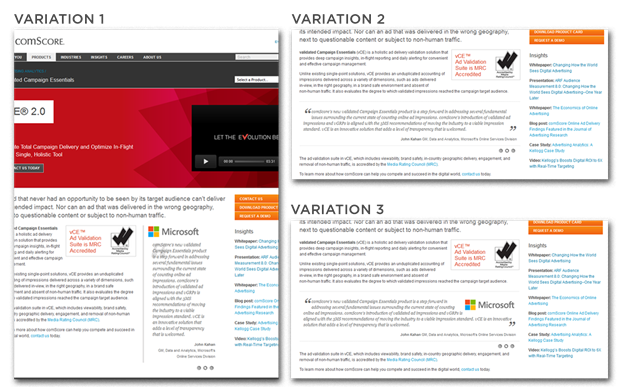
    Customer reviews

    88% of people trust customer reviews as much as personal recommendations. Customer reviews are the quintessential example of social proof. It’s what your buyers turn to when they need to differentiate between you and your competitors.

    If a product has lots of positive reviews, the potential buyer will automatically understand that it is worth their money. As opposed to this, a second product with a mix of positive and negative reviews might not generate as many sales.

    87% of customers rely on online reviews when shopping from local brands. And whether these reviews are positive or negative shape their buying decisions.

    Bigcommerce notes that 50 or more reviews per product can increase conversions by 4.5%. What they didn’t mention is that conversions will only increase if the review is good.

    So, you have to work hard to earn authentic positive reviews to provide your customers with proof of your value and convince them that you are worth their money.

    Here’s how a budget travel solution, Airy Indonesia user reviews

    Testimonials

    People often write reviews and testimonials together. But there’s a difference between the two.

    While reviews are authentic, testimonials are more influenced by the business. Since you ask for the testimonials and display them yourself, you have complete control over them. You can choose to display only the positive testimonials and filter out the negative ones.

    Testimonials belong to the peer-endorsed category of social proof. They enable the customers to perceive that if your brand has helped a certain person or business, it can help them too.

    72% of customers claim that positive testimonials and reviews increase brand trust, which is why testimonials increase revenue by 62%. Hence, they have always been the go-to social proof when a brand needs to optimize its conversions. And it has always worked wonders.

    Make sure to collect testimonials from your satisfied customers and use them where your prospects can see them. You can display your testimonials on your social channels or use them on your website landing pages.

    Here’s how Jimdo uses customer testimonials on their Instagram page:

    You can also drive a killer Instagram campaign, just like Jimdo’s or create a compelling LinkedIn post with your reviews.

    Comscore, a US-based media measurement and analytics company, experimented with customer testimonials on their homepage. As a result, their vertically-aligned testimonial (variation 1), with the brand logo prominent at the top, increased their conversion rate by 69%!

    Celebrity endorsements

    49% of consumers depend on influencer recommendations, and 40% have bought something an influencer recommended. But why is that? Social proof is at work again.

    People are naturally inclined towards mimicking the behavior of celebrities they idolize and follow. Additionally, when they see their influencers promoting something, they start trusting the brand and purchase from them when the time comes.Therefore, celebrity endorsements are shown to increase a company’s sales by 4%. However, don’t sweat if you cannot afford to hire Gwenth Paltrow or Roger Federer for your next campaign. Micro-influencers are found to be more effective in driving sales. And they are significantly more affordable than the big names.

    Here’s an infographic showing how micro-influencer can help you:

    82% of consumers say they are more likely to buy something a micro-influencer recommends. So, if you want to build your next marketing campaign on social proof, but budget is a problem, consider hiring social media influencers. That’s what Gerber Lil’ Beanies did.

    They hired 300+ Instagram influencers to promote their new nutritional baby food. These influencers created 9,400 social posts that generated 9.2 million impressions and resulted in a 5% uplift in the brand’s national sales.

    Show your certificates

    Certificates are one of the most concrete forms of social proof you can provide. Their efficacy lies in imparting credibility and reflecting authority, making your customers feel safe while working with you.

    For example, you will be more comfortable buying an FDA-approved drug, right? That’s because you trust the authoritative figure to approve safe and valuable products for you to consume.

    You can show your badges or certificates on your website and share them on your social media, so your credibility and worth resonate with a broader audience.

    If you are looking for certificates in content marketing to leverage social proof for your blogging and writing business, here’s a list of all the certified courses that can help you get that seal of approval!

    Display the people you have worked with

    Displaying the name of the companies you have worked with enables you to borrow their credibility and leverage it to build your own reliability.

    Kristi Hines, a freelance writer, has written for multiple well-known websites, and she leverages this fact perfectly on her website.Voices.com, a website providing freelance voice-over services, also leveraged the fact that they have served big companies and saw exceptional results.

    They displayed the logos of all the businesses and big names they have helped on their homepage. As a result, their conversion rate increased by a whopping 400%!

    If you have rendered your services to some of the well-known names in your niche, it is about time you brag about it. Tell the world of the big names you have worked with because doing so can shape the social perception of your brand. When people see that your products or services have helped big corporations, they will immediately think you are worth their time and money.

    Use case studies

    Have you noticed how we have used case studies multiple times in this blog? That’s because case studies support your claims with data-backed evidence.

    The 5th most popular content type marketers use today, case studies provide quantifiable results that appeared as a consequence of hiring a particular service or using a specific product.

    They are similar to reviews, but they offer data-driven evidence, which makes them way more valuable than just testimonials. They assure your prospects that your product or service is capable of helping them out and supports this claim with quantifiable results you drove working with other people.

    Case studies leverage human nature to be influenced by their peers. If they see their peers benefiting from your services, they will be inclined towards “trying you out.”

    Neil Patel, the digital marketing guru and founder of Kissmetrics, managed to increase conversions for one of his clients by 185% using case studies.

    To start working on your case studies, reach out to your customers and ask how your brand has helped them. You can create your questions or use an online case study template. Just be sure to use valid data and appear authentic.

    However, never fake your case studies. That’s never a good idea.

    Conclusion

    Social proof holds an important place in modern marketing, courtesy of its immense revenue-driving potential. Building on herd mentality, it shapes positive brand perception and alters buyer’s behavior to drive them through the conversion funnel and convert.

    Social proof manifests in many types, and you can use it in as many ways as you can. Provide your customers with product reviews and testimonials. Show them your worth by displaying social shares, subscribers, and people you have worked with. And build credibility by demonstrating your certificates and badges.

    But remember, social proof stems from good customer experience and drives results only if you can consistently provide optimum experience to your prospects throughout their journey. So, be sure to focus on maintaining customer experience while leveraging social proof.


  • How You Can Find Your Best Time to Post on Social Media

    A person spends about 2.5 hours using social media. This statistic and the image below are a clear indicator of how people are obsessed with social media. And businesses are leveraging this obsession and reaching out to their customers through different social platforms.But, if your target customers spend a significant portion of the day scrolling through social media, does that mean you have an engagement and conversion opportunity throughout the day? Unfortunately, no.

    As the saying goes, there’s a suitable time for everything, there is an optimal time for your business to post on social media.

    What is the optimal time? And how can you find it? We will answer all these questions in a bit. But first, let’s see if you should care about it.

    Does The Time at Which You Post on Social Media Really Matter?

    Yes. Timings matter and there are many reasons why *.

    For one, there is a specific time when your target audience is using social media. For example, your target customers are night owls. Then, you might want to develop a posting schedule to engage your users at a time when they are most active on social media – at night.

    Why?

    You see, social media algorithms are designed to enhance users’ experiences. Therefore, when your post first goes out live, it reaches a small fraction of your target audience. If it receives good engagement from these people, the algorithms kick in and take your post to a wider audience. As the engagement continues to increase, the reach continues to grow.It is important to get engagement when the post is young. Otherwise, it will die down without fulfilling much of its purpose. Therefore, referring to the example above, you can’t post whenever convenient for you and expect your audience to get to it when they are active.

    Now, how do you know when your audience is the most active?

    How You Can Find Your Optimal Social Time 

    There is no one-size-fits-all “right” time for posting on social media. What might be right for one brand might not be right for another.

    Here’s how you can find your brand’s optimal social time:

    Finding the Best Time to Post on Social Media – What Does the Data Say?

    Numerous studies have been conducted stating the best times for posting on each of the six major social media platforms. Let’s see what the most recent one says.

    • Best time to post on Facebook

    Facebook is massive. With a net worth of around $86 billion, it stands as the most used social platform.According to Facebook’s demographic data, the age group of 18-29 forms the platform’s most extensive user base. If your target audience belongs to this age group, you should be on Facebook.

    But at what time?

    According to research, the best time to post on this social platform is cited to be from morning to late afternoon during weekdays.

    Research also hints at Sunday being the worst day to expect the audience to engage with your Facebook posts.

    • Best Time to Post on Instagram

    Instagram, Facebook’s funky little brother, has roughly a billion users, 57% of whom use it daily.

    People ranging from 18 years of age to 29 years form the most significant user base on Instagram.

    If you’d have to make a guess, you’d think since most of these people are young and young people tend to be night owls, so the best time to post would be at night.

    However, research contradicts this thought.

    According to studies, Instagram has a reasonably wide time window (which narrows down when you go deeper into your audience analytics, more on that later.) Late mornings and afternoons on Monday, Tuesday, and Friday appear to form the optimal time for posting on Instagram.

    Moving on.

    • Best Time to Post on LinkedIn

    LinkedIn has over 700 million users and is the most promising platform when it comes to social media lead generation. 93% B2B marketers claim LinkedIn to be the best social media lead generation source.

    The largest age group you can find on LinkedIn ranges from 25 to 34 years of age. And most, if not all, of these people are business professionals using LinkedIn for career-related purposes.

    According to our trusty research, the best time to post on LinkedIn would be during work hours on weekdays.

    • Best time to Post on Twitter

    Twitter, the micro-blogging site, is used by more than 300 million people, mainly as a quick source of authentic information.

    Like all other platforms, Twitter’s algorithm also parses the tweets based on time and relevance, and the user can select what fits best.Regardless of what the users’ settings are, time still matters. And the most recent studies indicate that Wednesdays and Fridays as being the best time to post tweets. Neil Patel, however, suggests that weekdays are suitable for B2B businesses and weekends are good for B2C.

    insert

    • Best Time to Post on Pinterest

    Pinterest has 478 million users, and most of them are women. The largest age group on Pinterest is from 25 to 34.

    People mostly use it to find creative inspiration. Therefore, the best time to be active on Pinterest to garner engagement is during the evenings on weekdays and weekends.

    • TikTok

    TikTok is the new kid on the block. And if you ignore it, it will kick your business to the knees until you are forced to acknowledge its importance.

    With over 800 million users, TikTok is coming neck-to-neck with social media giants like Instagram.

    As per data, 25% of Tiktok’s users are between ages 10 and 19, and 22.4% are between 20 and 29. This means the biggest age group on TikTok is from 10-29.Since the platform is growing fast, therefore, the trends are changing quickly.

    But the most recent studies suggest 6 am to 10 am and 7 pm to 11 pm to be the best times to post on TikTok throughout the week.

    All this information is only one part of your optimal social timing strategy.

    Let’s see what’s next.

    Finding the Best Time to Post on Social Media – Where is the Audience?

    Researching your audience’s location is critical to the success of your social media campaign, primarily if you deal with an international audience.

    Say, you have found from research that 9 am is the best time to post on Facebook. However, 9 am in one country might be 3 pm in another, which may not be an optimal time for that country’s audience.

    Additionally, posting time-appropriate posts, like good morning or good night posts, or those referring to dinner, lunch, or rush hours, might be met at odd times across the world.

    For example, you have a Chinese restaurant based in the US with branches in Canada and Australia. And you post a “What’s for Lunch?” post at 1 pm EST in the US. It would reach the Australian audience at 3 am, which would not exactly be their lunchtime, would it?

    Therefore, you must find out which geographical location your audience belongs to and then schedule your post to reach them at an opportune and appropriate time.

    Tools like Google Analytics and Post Planner can, respectively, help you discover the audience location and schedule your social posts.

    Finding the Best Time to Post on Social Media – What Industry Do You Serve?

    The best time to post on social media varies significantly across industries. And understandably so. A restaurant industry social media user might not be active simultaneously as a music industry user.

    TrackMavern, a software company, researched the best time to post across 75 different industries. They have compiled their finding in a case study which states that the best time to post on Facebook in:

    The sports industry is on Sunday at 10 am.The retail industry is Friday at 11 am.
    The Fashion and Apparel industry is on Tuesday around noon.Do you notice the variation in times across industries? This is where non-industry-specific research takes the back seat.

    Remember how studies suggest Sunday is the worst day to post on Facebook? Well, if you were in the sports industry and relied solely on that research, you might have failed to engage your audience when they are most active.

    You combine what the research says with your audience’s time zone and sprinkle it with a bit of knowledge of industry-specific social times, and there you have it, an educated guess about the optimal social timing for your brand.

    But how do you know if this guesswork is yielding the most optimal time? The answer lies in the next step.

    Finding the Best Time to Post on Social Media – Experiment, Analysis, and Optimization

    The only way you can find the most opportune time, unique to your business, to post on social media is by creating a social campaign and experimenting with it.

    You can create a social media posting schedule based on the initial framework you have created from research. Then you can create social posts and publish them at different times throughout the time window you have discovered from research.

    Once your posts are live, you can track their metrics to see which post garners the highest engagement, drives the most traffic, and generates the most remarkable leads.

    For example, you belong to the Fashion and Apparel industry in the US, and you choose to post on Instagram. You have identified your opportune time window from 11 am to 1 pm on Monday, Tuesday, and Friday.

    You schedule your posts to go live at 11 am on Monday, 12:30 pm on Tuesday, and noon on Friday. Once your posts are live, you track their analytics and see that the post that went live on Tuesday at 12:30 pm had the best metrics. In this way, you have realized that Tuesday at 12:30 pm is your optimal social time. And you can optimize your content schedule based on these findings.

    Top Social Media Analytics Tools

    Since we are talking about social media analytics, let’s briefly mention the most popular social media analytics tools you can use to optimize your content schedule.

    1-    Google Analytics

    Though initially created for analyzing website metrics, Google Analytics can be set up to analyze a social media campaign.

    It can yield essential metrics such as the source of traffic, ROI of the social campaign, demographics of the traffic, and help identify the best content types for each platform.

    2-    Co Schedule

    CoSchedule gives complete information about how your post is performing on social media. It tells you about the best time to post on social media for your brand, builds excellent reports, and suggests improvements to your content strategy to enhance performance results.

    3-    Sprout Social

    Sprout Social is popular among social marketer’s circle. Its trademark ViralPost technology helps you optimize your social timing, so your post goes live when it is expected to generate good engagement. Additionally, it tracks your social media performance and other vital metrics like reach and engagement to help you optimize your strategy.

    Conclusion

    Numerous studies point at various times and days and cite them as the best time to post on so and so platforms. While these studies can offer massive help in determining your best social time, you cannot follow them blindly without the data from your own campaign.

    So, it is best to use the research as a starting point in creating your own content schedule and then experimenting with it.

    Analyze the results of your experimental posts and optimize your social campaign based on this analysis. Doing this, you will be well on your way to social media prosperity, given that you are following the other steps of social media success. *


  • How to Find Social Media Growth as A Small Startup?

    Ruling the social media platforms is the ultimate dream of every business owner. But with these networking platforms getting crowded day by day, it isn’t easy to stand out from the rest without creating amazing content.

    With millions of dollars in their marketing budget, the bigger brands go high and beyond and gain a lot of attention by pulling obnoxious social media marketing stunts – like hiring anyone from the Kardashian – Jenner clan to endorse their products.

    But being a small business owner, can you afford such marketing stunts? Of course not!

    So, how can you harness the powers of social media and use it to grow your small business? Let’s find out!

    Can Small Startups Make It Big on Social Media?

    So, do small businesses stand no chance on social media? Don’t be silly!

    The best thing about social media is, it doesn’t side with the rich. That means it offers a level playing field to all businesses, big and small, and provides them with fertile grounds to grow their business.

    The essence of social media growth is creativity. If you can hatch some out-of-the-box content ideas and mix them with an understanding of your target audience, you can experience social-media-driven business growth without emptying your pockets.

    A great example of how small businesses made it big through social media simply by doing something different is Dr. Bob Wagstaff’s Orabrush Tongue Cleaner startup.

    In 2009 Dr. Wagstaff turned to YouTube, a relatively young and untouched-by-marketers platform, after sinking $40k on television ads and generating no return.He launched his brand on social media with a quirky and hilarious video that took a little over $500 to shoot.

    The result? His video went viral.

    Why? Because it offered something fun and unique.

    Within a year of his success on YouTube, Orabrush closed millions of dollars worth of sales, and the small business experienced unprecedented growth.

    Of course, this is over a decade ago. The social media scene has evolved dramatically since then, and what worked back then won’t work the same way today.

    So, what can you do to help you find success through social media today? Take a different approach. Let’s see how.

    How Can Small Startups Find Social Media Growth Today?

    Social media is great for marketing. But what’s not so good is the fact that everyone has now discovered this “growth hack.” Social platforms have become advertisement channels, with businesses having a small marketing budget struggling to gain traction.

    Here are a few time-tested growth hacks that you can leverage to develop a social media marketing strategy that generates tangible results:

    Influencer Marketing

    More than 67.9% of US marketers are expected to invest in influencer marketing this year. That means something ought to be good about it, right? Right.People trust the people they follow. They are more inclined towards buying what their favorite influencers recommend. And that’s one of the sole reasons why influencer marketing is a massive success.

    Another great thing about influencer marketing is that its efficacy increases as the number of followers of an influencer go down. Yes, down. That’s not a typo.

    So, it is excellent for small businesses with a limited budget.

    You see, a micro-influencer with 10,000 followers may have a smaller reach than Kim Kardashian with her millions of followers. But what the former has, and Kim doesn’t, is a tight-knit community of highly engaged followers.

    That’s the reason why micro-influencers offer 60% higher engagement and 20% more conversions than macro-influencers.

    Additionally, you can hire the smaller influencers with only a fraction of the amount needed to hire celebrities for marketing campaigns or creating TV ads.

    Therefore, influencer marketing makes for an excellent channel for driving conversions and brand awareness, even if you have a reasonably limited marketing budget.

    But does it work? Here’s a case study to help you find out.

    Youfoodz, an Australian fresh food company, wanted to promote the launch of their winter menu. For this, they decided to give influencer marketing a go.

    They teamed up with 81 influencers who created 167 content pieces. Their influencer marketing campaign generated:

    • More than 70,000 direct engagements
    • 500,000 impressions,
    • and reached 1.5 million people.

    Do you still doubt the efficacy of influencer marketing?

    Gamification

    Leveraging human psychology for social media is a sure-fire way of success, and that’s what gamification does. It plays with minds and alters user behavior. That’s why 93% of marketers love it, and it has become a billion-dollar industry.

    Now, why should you care? Because you are looking for driving social media success and gamification can help.

    You don’t need to hire big gamification companies to leverage its potential. All you have to do is create opportunities for your audience to take action and give them rewards in return.

    Here are a few ideas to get you started:

    • Ask your followers to share your brand in exchange for a chance to enter in a giveaway (people love free stuff. We are people.)
    • Create a sense of urgency by putting a time limit on deals. Have you experienced stress at the last minute of a football game?
    • Give your followers FOMO.

    You can execute these ideas with a nicely written copy of social media posts and great social media graphics. Here are some tools you can use for creating stunning social graphics.

    Dropbox, the cloud file storage platform, employs social media gamification to encourage its followers to join their social community. They ask their users to connect with them on Facebook and Twitter in exchange for extra storage space.You may not be as big as Dropbox, but you can think of a gamification strategy to give your customers something in exchange for a value-driving action.

    Pay Attention to The Unpopular Platforms

    Have you seen those movies where the unpopular kids turn out to be the coolest people to hang out with? That’s true in the case of social media platforms too.

    There is a world of social media beyond Facebook, Instagram, and Twitter, and guess what? It is not as crowded and bursts with engagement and growth opportunities, minus the competition.

    Here are some of the less-used social media platforms you can capitalize on and grow big:

    Reddit

    With 52 million followers, Reddit brims with opportunities for you to engage with your target audience.

    Reddit is unlike the conventional platforms. People come together in communities to discuss issues of interestRedditors are a bunch of helpful people, but they can turn vicious as soon as they spot marketers being all sales-y instead of being helpful.

    Therefore, the best approach to making it big on Reddit is to prioritize value. Let helpful content take the driving seat and make your website take the back seat. Trust us. People will gravitate towards you once they start seeing you as a helpful authority figure.

    Create a Reddit account and start engaging with relevant people. You can start an AMA post and incorporate links to your website or answer questions and subtly refer to your website.

    Or do what Arielle Dyda did.

    She created her personal account under the brand representative tag and started engaging with people on Reddit in a light-hearted and fun manner. She would post about deals, Uniqlo meetups, and product launches without being too sales-y.Her approach drove great results for Uniqlo. Of the 3% sales that the brand got from social media, 64% came from Reddit.
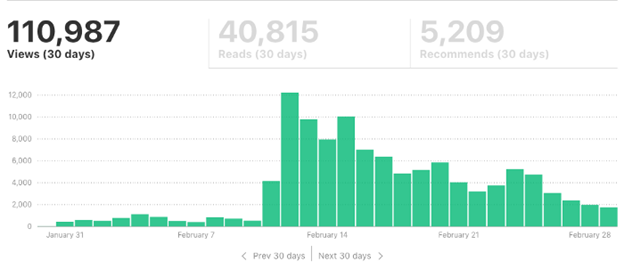
    Medium

    Medium has more than 60 million active users. It is an excellent platform for businesses with blogs because it has the potential to drive referral traffic.

    It takes nothing more than time, effort, and maybe a paid medium membership to make it big on the platform.

    If you think blogging can help your marketing strategy, join Medium and build a community. Interact with people and engage with their blog.

    Then, dive into posting on Medium.

    You don’t even have to create new content for this platform. Republish your existing and high-performing blog pieces on Medium, add a link to your original website and promote it to your followers. This way, you can easily open another channel for driving traffic to your website and drive brand awareness among a new bunch of people.

    And no. Google won’t penalize you for duplicate content. Medium itself clarifies that they create canonical links to the original post. So, republishing on Medium only boosts your SEO efforts.

    Brands as big as Buffer understand the potential of Medium and experienced a 1215% increase in their page views when they republished one of their old blogs on Medium.There is literally no investment here other than time, creativity, and effort. And to make it big as a small business, that’s the least you can do.

    About.me

    Over 1 million entrepreneurs use about.me. And with that many people using it, you should care about it too.

    It allows you to create a niche profile on its platform and link it to your business site. This opens another point of contact between you and your prospects and gives you another channel through which you can gain web visitors.It is integrated with Google Analytics so that you can track the performance of your about.me profile and see how many visitors it is driving to your website.

    You can start an about.me for free. But with a premium account, you can access better profile customization options.

    Tumblr

    Tumblr received 327 million visits in January 2021. Can you imagine what it could have meant for your business if you had a thriving Tumblr presence? It’s not too late, though. You can still leverage Tumblr’s potential because it is gaining traction. It now has more than 500 million blogs, which grew from 480 million in 2019.

    So, if you want to grow your social media presence, and have more people visit your website, now is the right time to get on Tumblr.

    But before you jump into Tumblr, perform an audience analysis, and see which kind of content would work best with them.

    Additionally, Tumblr is populated with Gen Z and millennials, so it has a fun and quirky theme going on all year round. Therefore, go in only if you can “fit in.”

    Creating an account on Tumblr is pretty straightforward. However, posting has a couple of best practices.

    Tumblr SEO does not work like conventional SEO. Therefore, you have to optimize each post with Tumblr tags. Neil Patel recommends using 7-12 relevant tags per post so that your user can find it through search.

    Additionally, you cannot ignore social timing for Tumblr. Given its young population, the best time to post on Tumblr appears to be late in the evening or early in the morning. But you will have to do a bit of experimentation to find your optimal time.

    If you think Tumblr is dead or useless, the following fact will convince you that it is anything but.

    Many big brands like Apple, Lexus, and Penguin Random House are using Tumblr to engage with their audience. But of course, Penguin Random House only hopped on Tumblr after they found it has many librarians as a part of its audience.So, make sure your audience is using Tumblr before going in. And go in only if you can commit to it in the long run.

    Conclusion

    You don’t need to have millions of dollars in your marketing budget to make it big on social media. Lots of creativity mixed with the right social media marketing strategy can set you up on a path towards social media success in no time.

    The tactics we have shared in this article barely require any investment other than time, effort, and creativity. Therefore, you can shape your social media strategy using these tactics and grow your business.